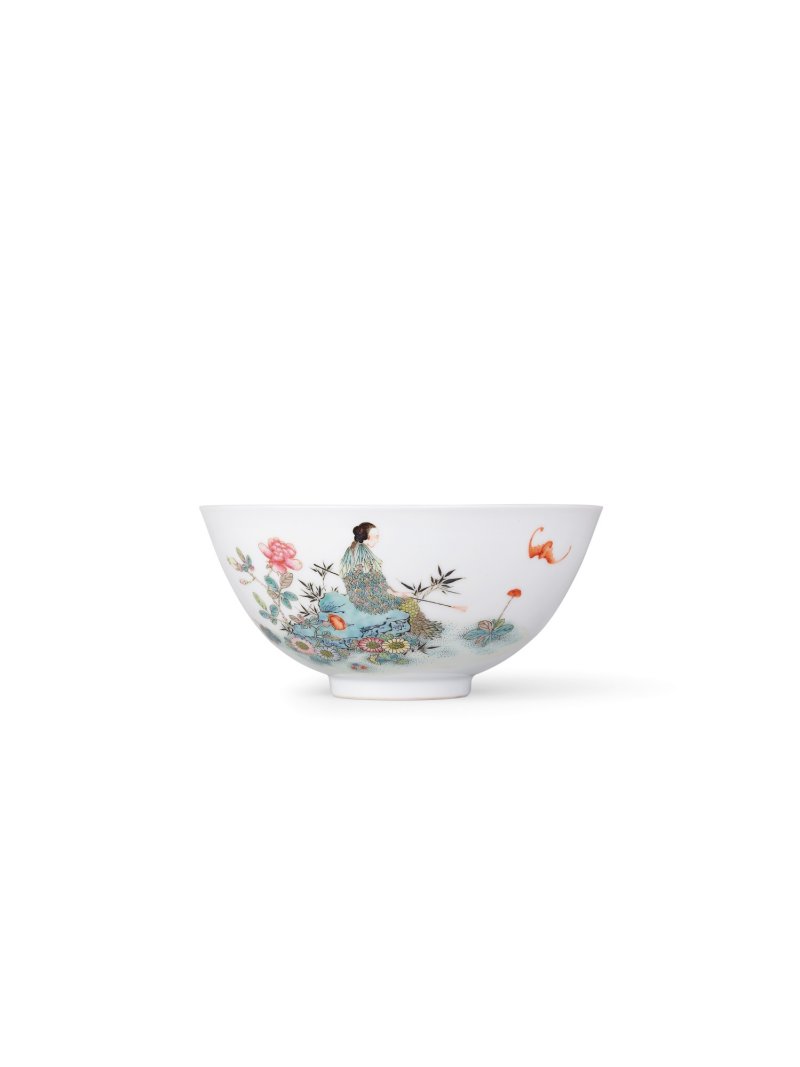

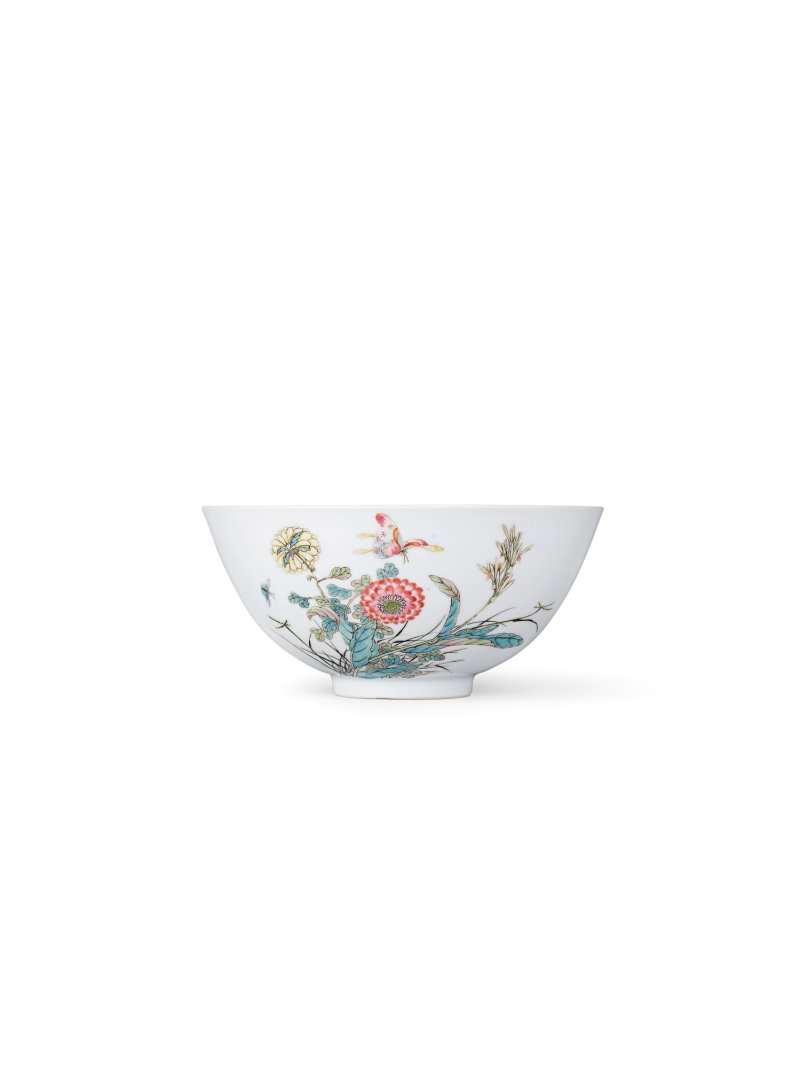
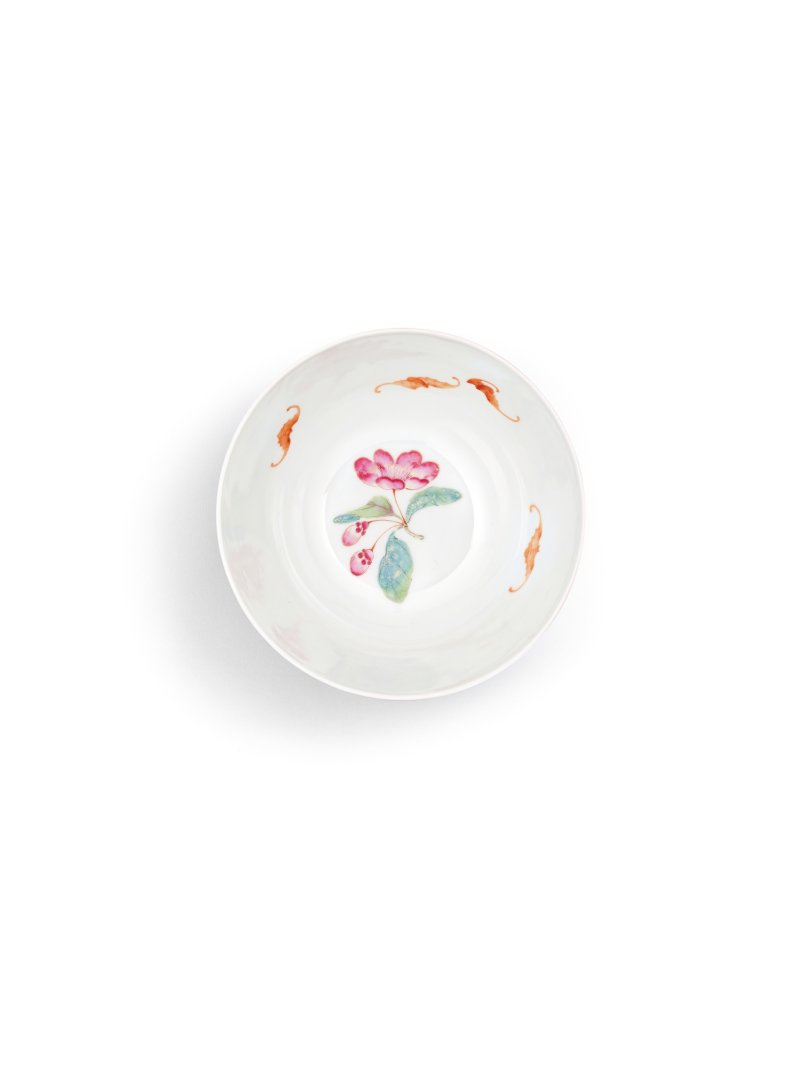
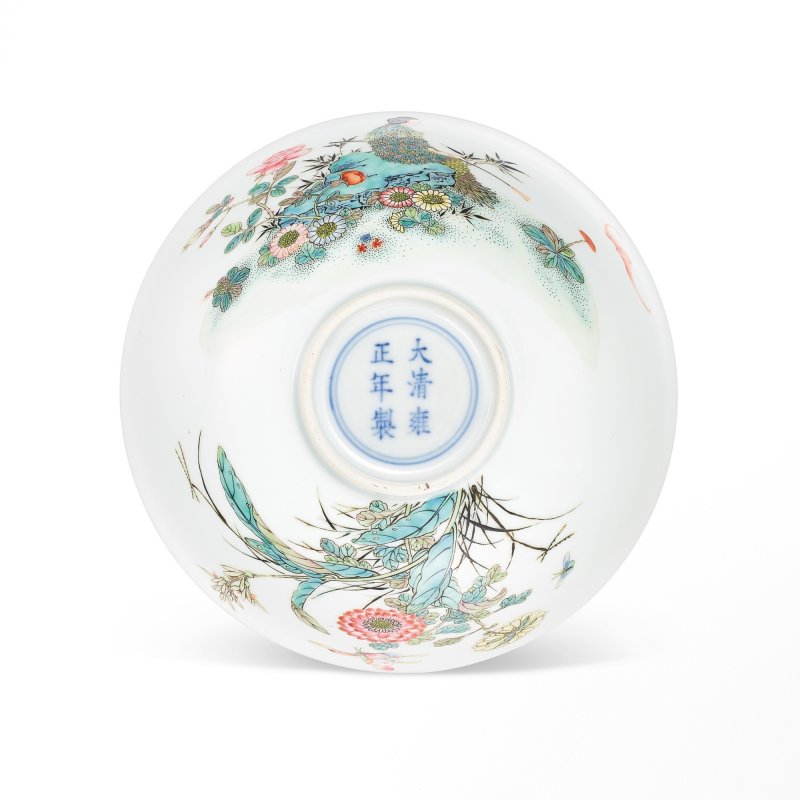
Lot 6036 A fine and extremely rare famille-rose ‘King of Medicine’ bowl, Mark and period of Yongzheng | 清雍正 粉彩藥王圖盌 《大清雍正年製》款
落槌价
预展中
成交价
预展中
| 拍卖公司 | 苏富比 |
|---|---|
| 拍卖时间 | 2026年10月30日 |
拍品信息
拍品名称
A fine and extremely rare famille-rose ‘King of Medicine’ bowl, Mark and period of Yongzheng | 清雍正 粉彩藥王圖盌 《大清雍正年製》款
起拍价
HKD 4,000,000
估值区间
4,000,000 - 10,000,000 HKD
尺寸
未知
品相
Fine overall condition. 整體品相佳。
If a condition report is provided to assist you with assessing the condition of the lot, it is for guidance purposes only. Such condition report may not refer to all faults, restoration, alterations, or adaptations because Sotheby's is not a professional conservator or restorer but rather a condition report is a statement of subjective, qualified opinion genuinely held by Sotheby's. For these reasons, any such condition report is not an alternative to taking your own professional advice regarding the condition of the lot. Prospective buyers should also refer to the Guide for Buyers at Auction which includes important notices concerning the type of property in this sale.
If a condition report is provided to assist you with assessing the condition of the lot, it is for guidance purposes only. Such condition report may not refer to all faults, restoration, alterations, or adaptations because Sotheby's is not a professional conservator or restorer but rather a condition report is a statement of subjective, qualified opinion genuinely held by Sotheby's. For these reasons, any such condition report is not an alternative to taking your own professional advice regarding the condition of the lot. Prospective buyers should also refer to the Guide for Buyers at Auction which includes important notices concerning the type of property in this sale.
更多信息
14.3 cm
图录
说明:This bowl appears to be a unique example, its complex figural scene rendered in a remarkably distinctive colour combination. In the West, such pieces are often termed “rose/verte”, a style born of that brief transitional moment between the close of the Kangxi reign (1662–1722) and the dawn of Yongzheng (1723–35), when the familiar famille-verte (wucai) palette gradually gave way to the softer pastel harmonies of famille-rose (fencai).
Seated serenely upon a rock, the figure is most likely Yaowang, the King of Medicine, identified with the Tang dynasty physician and Daoist practitioner Sun Simiao, a preeminent figure in Chinese medical history and widely venerated in later generations and folk tradition. Around him, five bats complete the Daoist auspicious message, each representing one of the Five Blessings: longevity, wealth, health, love of virtue, and a peaceful death. His robe, painted as a cascade of overlapping leaves in richly blended, vivid hues, drapes over his shoulders like a cape of living foliage, and he holds a long staff, befitting a physician-sage who wandered the mountains in search of herbs and healing.
The leaf-clad attire finds a close iconographic parallel in a Song dynasty Yaozhou celadon figure of the King of Medicine in the Beijing Palace Museum (accession no. xin-124718), which similarly depicts the deity wearing a garment of overlapping leaves and associates him with the gathering of medicinal herbs.
Unique in its conception, this bowl embodies the synthesising vision of Jingdezhen’s artists at a pivotal moment in ceramic history. Here, they sought to reconcile the established Kangxi wucai palette, long familiar to their hands, with the newly introduced pastel enamels of the fencai scheme, weaving together two chromatic worlds into a single, harmonious vision. The composition and finesse of the present bowl are without equal; a Kangxi mark-and-period famille-verte ‘Wang Zhaojun’ bowl sold in these rooms, 6th April 2016, lot 3008, provides a useful point of reference, yet that bowl rendered in the earlier wucai idiom, does not achieve the painterly subtlety of this present example.
此盌施彩豐富,妙畫仙圖,見證康熙晚期至雍正初年之嬗變。時景德鎮藝匠於五彩基調上,融會粉彩新法,色彩繽麗之餘,不失雅致。此盌應為當時罕例,極其難得。
盌繪仙人坐石,身披彩葉蓑衣,手執長杆,應為「藥王」,即唐代名醫兼道者孫思邈。孫氏為中國醫史巨擘,後世奉為醫聖藥王,香火不絕。並綴五蝠,以成道家吉語:五福者,曰壽、曰富、曰康寧、曰攸好德、曰考終命。旁綴月季、壽菊等,彩蝶翩躚,畫意盎然。藥王所服之衣,以重葉疊綴而成,彩暈交融,鮮妍欲動。此葉衣之象,可與北京故宮博物院所藏,宋代耀州青釉藥王像相互印證,館藏編號:新124718。彼像亦身披葉綴長衣,並手持藥瓶,足見藥王圖像之經典範式及其源流所自。
是盌足見景德鎮匠人之通變之才,既承康熙構圖與五彩設色之嫻熟,有康窰之風,又納粉彩之絢麗新調。其章法工致,並世無儔。嘗見一康熙五彩昭君出塞圖盌,售於香港蘇富比2016年4月6日,編號3008,可資比勘,然彼作仍囿五彩舊格,渲染之微緻,終不若此盌之精妙。
常见问题
这件A fine and extremely rare famille-rose ‘King of Medicine’ bowl, Mark and period of Yongzheng | 清雍正 粉彩藥王圖盌 《大清雍正年製》款的成交价是多少?
落槌价为 预展中。 成交价为 预展中。
拍品的品相状况如何?
Fine overall condition. 整體品相佳。
If a condition report is provided to assist you with assessing the condition of the lot, it is for guidance purposes only. Such condition report may not refer to all faults, restoration, alterations, or adaptations because Sotheby's is not a professional conservator or restorer but rather a condition report is a statement of subjective, qualified opinion genuinely held by Sotheby's. For these reasons, any such condition report is not an alternative to taking your own professional advice regarding the condition of the lot. Prospective buyers should also refer to the Guide for Buyers at Auction which includes important notices concerning the type of property in this sale.
If a condition report is provided to assist you with assessing the condition of the lot, it is for guidance purposes only. Such condition report may not refer to all faults, restoration, alterations, or adaptations because Sotheby's is not a professional conservator or restorer but rather a condition report is a statement of subjective, qualified opinion genuinely held by Sotheby's. For these reasons, any such condition report is not an alternative to taking your own professional advice regarding the condition of the lot. Prospective buyers should also refer to the Guide for Buyers at Auction which includes important notices concerning the type of property in this sale.